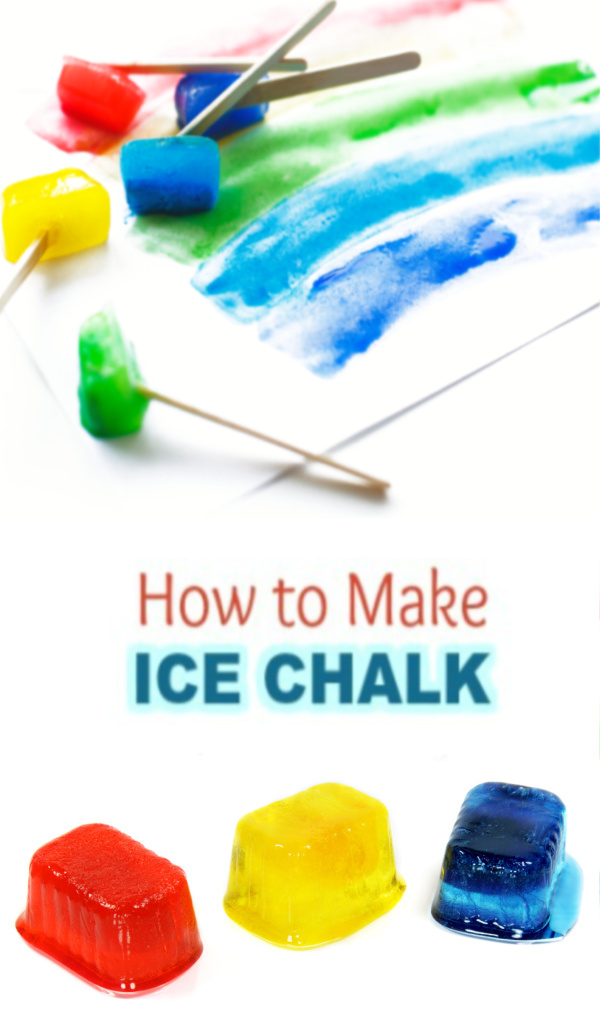
Ice Chalk Experiment That Fizzes and Melts (Baking Soda Science for Kids)

May 06, 2026

It doesn’t start with color spreading.

It starts with something solid—

cold, bright, and easy to hold.

Kids draw with it the way they always do,
dragging lines across the pavement,
layering color over color,
watching it leave a soft chalky trail behind.

But this time—

it doesn’t stay the same.

The edges begin to soften.
The color deepens as it melts.
And slowly, the lines start to shift and move.

Then the vinegar hits—

and everything changes again.

The color lifts.
Bubbles form.
And what started as simple chalk turns into a slow, fizzing reaction that keeps evolving as it melts, right in front of them.

And once kids see that happen—

they don’t just keep drawing.

They start experimenting.


child using ice chalk on pavement as colors melt and fizz with baking soda and vinegar reaction


If your kids love watching reactions like this build and change over time, start with our full collection of baking soda and vinegar experiments for kids, where we explore dozens of ways to turn simple ingredients into hands-on science.


🧾 SUPPLIES

You only need a few simple materials:

Baking soda
Cornstarch
Food coloring or washable liquid watercolors
Water
Vinegar

You will also need:

Ice cube trays
Spray bottles
Mixing bowls


supplies for ice chalk including baking soda cornstarch food coloring vinegar and ice cube trays


🥣 HOW TO MAKE ICE CHALK

Step 1: Mix the Base

Combine equal parts baking soda and cornstarch in a bowl.

Step 2: Fill the Tray

Spoon the mixture into an ice cube tray, filling each section about halfway.

Step 3: Add Color

Add a few drops of food coloring to each section.

Step 4: Add Water

Pour in warm water and gently mix until combined.


step by step mixing baking soda cornstarch and food coloring in ice tray for chalk

Step 5: Freeze

Place the tray in the freezer for 4–6 hours until solid.


🌈 WHERE THE CHANGE HAPPENS

At first, it feels like regular chalk.

Kids draw.
They layer.
They build up color across the pavement.

But unlike traditional chalk—

this doesn’t stay dry.

It softens.
It melts.
It starts to move on its own.

And when vinegar is added—

the reaction begins.


ice chalk melting and fizzing as vinegar reacts with baking soda on pavement


The colors don’t just blend—

they shift as they melt.

They spread slowly outward,
carrying color in new directions.

And because the reaction happens over time—

kids don’t just watch it once.

They come back to it.

They try again.

They change how they play with it.


You can explore a faster version of this same reaction in our color-changing sidewalk chalk activity, where the fizz happens instantly and spreads across the surface.


💡 WHAT MAKES THIS DIFFERENT

This isn’t just another chalk recipe.

The frozen texture changes how kids interact with it.
The melting slows the reaction down.
And the fizz adds a layer of cause-and-effect they can actually observe.

Instead of a quick reaction—

this becomes something they can watch unfold.


💥 EXTEND THE PLAY

Once the ice starts melting, kids naturally begin experimenting.

Try:

using vinegar earlier vs later
layering colors before they melt
spraying different areas to control the reaction
dragging melting chalk to create moving color paths

child pressing and spreading melting ice chalk as colors fizz and move on pavement


This is where the activity shifts—

from drawing
to experimenting.


🔧 TIPS FOR BEST RESULTS

Use washable colors to avoid staining
Work on warm pavement to speed up melting
Freeze multiple trays for extended play
Use spray bottles for more control


🌈 TRY THESE NEXT

If your kids loved watching color, melting, and fizz combine together, these activities are fun to explore next:

Color-Changing Sidewalk Chalk, for faster fizzing reactions
 that spread instantly across the pavement

Ice Volcano, for slow melting eruptions
 with colorful bubbling reactions

Exploding Chalk Experiment, for bigger outdoor art
 combined with baking soda science

Glow-in-the-Dark Squirty Chalk, for glowing chalk play
 that changes completely once the lights go down

Each one explores baking soda reactions through movement, color, texture, and hands-on experimentation.

👉 Explore our full collection of baking soda and vinegar experiments for kids for even more fizzing science activities, melting reactions, and creative sensory play ideas.


💭 FINAL THOUGHTS

This is one of those activities that changes as kids play.

Not just because it melts—

but because it keeps reacting.

They don’t just draw with it.

They test it.
They change it.
They come back to see what happens next.

And every time—

it looks a little different.


Save this ice chalk activity for your next outdoor science and art play day! 🌈

Child spraying colorful melting ice chalk on pavement as rainbow colors fizz and blend together during outdoor baking soda sensory play


More About the Author

Crystal Underwood is the writer and creator of Growing A Jeweled Rose. She has worked extensively with children and strongly believes in the importance of play at the core of early learning. She is passionate about the early years and believes that childhood should be a truly magical time in life. For all the best kids activities connect with Growing a Jeweled Rose below!